Essential gear for plein air painters.
Artwork Essentials, Inc. brings you superior quality plein air painting equipment, innovative design, beautiful craftsmanship, and lasting durability for the outdoor artist.
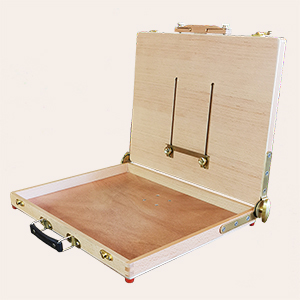
Pochade Boxes
Patented plein air pochade boxes suite every artist needs. Slimline format, lightweight and less bulky, large palette size box suitable for traveling.
Learn more »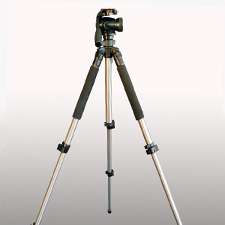
Professional Tripods
Sturdy & heavy duty yet lightweight tripods. Models range from heavy duty for large pochade boxes to light duty for traveling.
Learn more »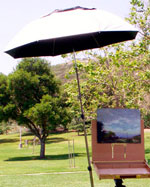
Plein Air Umbrella
Award-winning protection from sunburn and glare. Unique wind-resistant design protects your setup from flipping in strong gusts.
Learn more »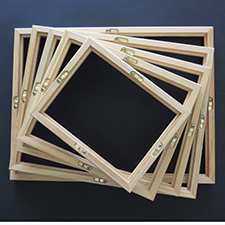
ezPak Wet Panel Carriers
Full range of lightweight, easy-to-carry carriers. Supporting common panel sizes up to 12"x16", each frame holds two wet panels securely.
Learn more »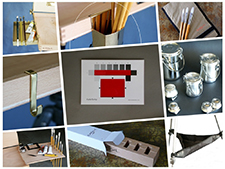
Essential Accessories
Essential gear for plein air: brush washers, arm palettes, composition finders, drying racks, and side trays to complete your setup.
Learn more »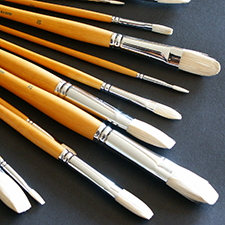
High Quality Brushes
Imported from Japan with premium Chungking hog hair. Self-interlocking fibers ensure the precise, expressive brushwork artists demand.
Learn more »